


The Multi-Faceted Nature of NYC Interior Design Projects
Last Updated:
August 17, 2026
For discerning homeowners in New York City and its esteemed surrounding suburbs, the journey to an elevated interior often begins with understanding the investment. It's common to observe a wide spectrum of pricing within the NYC interior design landscape, leaving many to wonder about the underlying reasons.
At LSB Interior, we believe in transparency and thoughtful curation. This article delves into why interior design pricing varies so widely across our metropolitan hub, offering clarity for those seeking to transform their residences into spaces of refined elegance and modern livability.
New York City residences, whether a sprawling penthouse in Manhattan or a charming brownstone in Brooklyn, present unique design challenges and opportunities. The sheer variety of architectural styles, apartment sizes, and client aspirations means no two projects are truly alike. This inherent diversity is a primary driver of pricing variations.
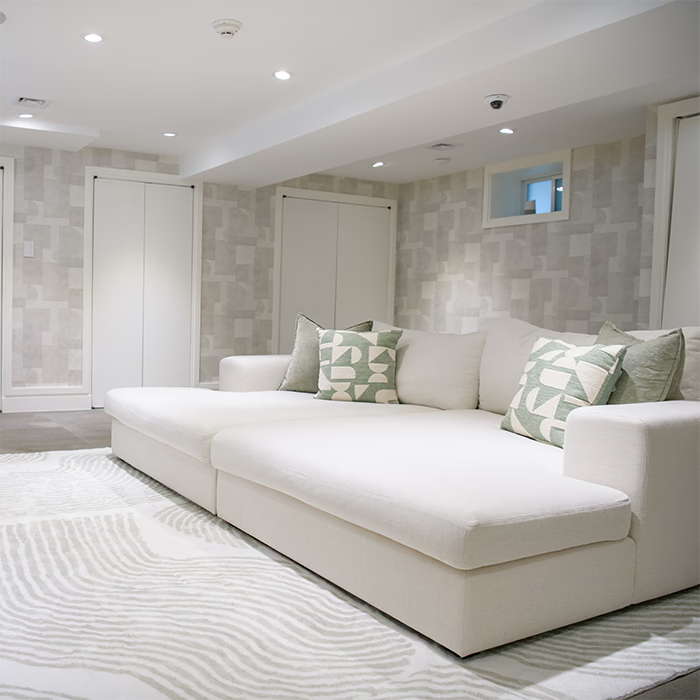


In a city brimming with talent, an interior designer's reputation, experience, and specific skillset are paramount in determining their pricing structure. As with any luxury service, you are investing in a proven track record of excellence.
Designing in New York City comes with its own set of distinct challenges and cost implications, which are fundamentally different from other markets. These local factors play a significant role in the overall project budget.
Understanding these variables empowers homeowners to make informed decisions and appreciate the nuanced investment involved in creating a truly elevated and livable interior in New York City.
The cost for an NYC interior designer can range from a few thousand dollars for a consultation or single-room refresh by an emerging designer, to hundreds of thousands or even millions for full-service, bespoke projects in luxury residences by established firms. It truly depends on the project's scope and the designer's experience.
Common charging methods include hourly rates (often for consultations or smaller projects), flat fees (for defined scopes), percentage of the project budget (common for full-service luxury projects), or a hybrid model that combines a retainer with hourly billing or a percentage.
NYC's higher cost of living impacts labor rates for skilled trades, increased overhead for design firms, premium pricing for specialized materials and showrooms, and significant logistical challenges related to transportation and building access, all contributing to elevated project costs.
No, a designer's fee typically covers their creative services, expertise, and project management. Material costs (furniture, fixtures, finishes, etc.) are separate line items within the overall project budget, though designers often manage their procurement.
For well-defined, smaller projects, a fixed fee may be possible. However, for comprehensive luxury projects with many custom elements and potential unforeseen complexities, designers often prefer a percentage-based or hourly model to ensure flexibility and accurate compensation for the extensive work involved.
Begin with a clear understanding of your aspirations and an honest conversation with a designer about your desired outcome. They can help you establish a realistic budget, outlining various cost components, from their fees to materials, labor, and potential contingencies.







.svg)