Mastering the Alteration Agreement: Understanding and meticulously preparing your co-op's alteration agreement is the critical first step in any NYC co-op renovation, dictating the scope, rules, and responsibilities.
Strategic Board Approval: Navigating the co-op board approval process requires detailed documentation, clear communication, and often an experienced design and construction team to present your project effectively.
Permit Prowess & Timeline Transparency: Securing the correct NYC Department of Buildings (DOB) permits and understanding realistic renovation timelines are essential for legal compliance and avoiding costly delays.
Renovating a co-op apartment in New York City is an endeavor filled with potential and unique challenges. Unlike private homes, co-ops involve an additional layer of governance (the co-op board) which oversees changes to individual units to protect the building's structural integrity, communal services, and aesthetic harmony. For discerning homeowners, the vision of a space that marries Parisian elegance with modern livability is paramount, but achieving it requires meticulous planning and a clear understanding of the regulatory framework.
This comprehensive guide delves into the essential components of an NYC co-op renovation: the alteration agreement, board approvals, permits, and timelines, ensuring your journey to an elevated home is as seamless as it is inspiring.
Planning a Luxury Apartment Renovation in New York City?
Partner with LSB Interior to navigate the unique challenges associated with your project.
The Foundation: Understanding the NYC Co-op Renovation Landscape
Before a single hammer swings, an understanding of the specific environment of NYC co-ops is crucial. Co-op ownership means you own shares in a corporation that owns the building, not the apartment itself. This structure grants the co-op board significant authority over any modifications to your unit.
Their primary concerns typically include maintaining building integrity, minimizing disruption to other residents, ensuring safety, and preserving property values. This distinct governance model necessitates a structured approach, beginning with the cornerstone document: the alteration agreement.
The Alteration Agreement: Your Renovation Blueprint
The alteration agreement is a legally binding contract between you, the shareholder, and the co-op corporation. It outlines the specific terms and conditions under which you are permitted to make changes to your apartment.
This document is far more than a formality; it is your detailed blueprint, specifying everything from permissible work hours and liability insurance requirements to material specifications and the removal of construction debris.
Key Components and Considerations
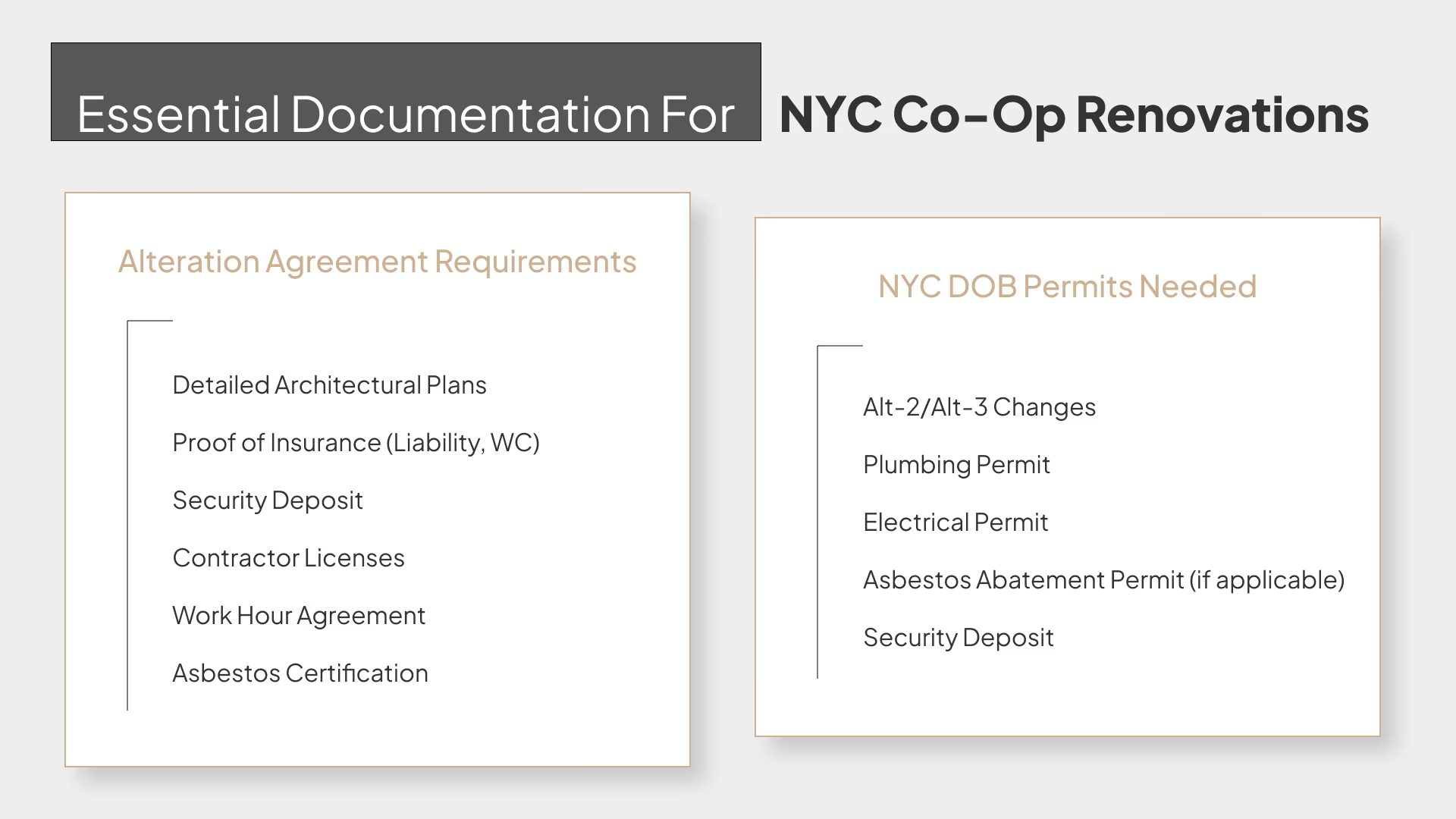
Scope of Work: The agreement will define precisely what changes you are allowed to make. Be prepared for detailed schematics, architectural plans, and material specifications. Any deviation from the approved scope without prior written consent can lead to significant penalties or even a stop-work order.
Architectural and Engineering Review: Most co-op boards require your renovation plans to be reviewed and approved by their designated architect or engineer, often at your expense. This ensures that proposed changes comply with building codes, structural limitations, and co-op rules.
Insurance Requirements: Expect stringent insurance demands, typically including liability insurance, workers' compensation, and property damage coverage, held by both you and your general contractor. The co-op will require to be named as an additional insured.
Security Deposit and Fees: Many co-ops require a security deposit, refundable upon satisfactory completion of the work and inspection, to cover potential damages to common areas. Expect various administrative fees for plan review, legal consultation, and general oversight.
Work Hours and Noise Restrictions: Renovations are inherently disruptive. The agreement will stipulate permissible work hours (e.g., 9 AM to 5 PM, Monday through Friday), noise restrictions, and rules for contractor access and usage of building elevators and service entrances.
Contractor Vetting: Co-ops often require contractors to be licensed, insured, and pre-approved by the board. Some buildings maintain a list of approved vendors, while others allow you to propose a contractor for their vetting process.
Hold Harmless Clause: You will likely be required to indemnify the co-op board and management from any liabilities arising from your renovation.
Asbestos Abatement: For buildings constructed before 1987, an asbestos inspection is mandatory before any demolition. The alteration agreement will detail protocols for testing and, if necessary, abatement, which must be performed by certified professionals.
Post-Renovation Inspection: Upon completion, the co-op’s architect or engineer will inspect the work to ensure it aligns with the approved plans and meets all requirements.
Our approach emphasizes early engagement with your co-op’s specific alteration agreement. We assist in translating your design vision into the detailed architectural plans required, working seamlessly with your chosen contractor and the co-op's representatives to ensure all documentation is precise and comprehensive. This proactive stance minimizes potential friction points and aligns your dream with the co-op’s regulations from the outset.
The Gatekeepers: Co-op Board Approvals
Securing co-op board approval is the next critical hurdle. This process can be lengthy and requires a thorough, professional presentation of your project.
Steps to Successful Co-op Board Approval
Initial Submission: Submit a complete package including your signed alteration agreement, detailed architectural plans (often stamped by an architect or engineer), proof of insurance, contractor's licenses, and a proposed timeline.
Review by Building Management and Architect: The building's managing agent and designated architect will review your submission for completeness and compliance with the building's rules and structural considerations. This phase may involve requests for revisions or additional details.
Board Meeting Presentation (Potentially): While not always required for minor renovations, significant projects may necessitate a formal presentation to the co-op board. This is your opportunity to articulate your vision, address their concerns, and demonstrate your commitment to a respectful and compliant renovation.
Patience is Key: Board approval processes can take anywhere from a few weeks to several months, depending on the board's meeting schedule, the complexity of your project, and the completeness of your submission. Factor this waiting period into your overall timeline.
We understand that a compelling presentation is vital. Our design presentations are not just aesthetically pleasing but also technically robust, designed to clearly communicate the scope, benefits, and thoughtful integration of your renovation within the building's context.
We prioritize clear, concise communication, anticipating board concerns regarding structural integrity, noise mitigation, and aesthetic impact. A well-designed interior, thoughtfully planned for livability and elegance, often resonates positively with boards looking to maintain and enhance property values.
The Legal Framework: NYC Permits
Beyond co-op board approval, most structural, electrical, or plumbing work requires permits from the New York City Department of Buildings (DOB). Operating without the necessary permits can lead to stop-work orders, fines, and difficulty selling your apartment in the future.
Common Permits Required for Co-op Renovations
General Construction (Alt-1, Alt-2, Alt-3):
Alt-1 (Alteration Type 1): For major renovations that change the use, egress, or occupancy of a building, or that result in a new Certificate of Occupancy. Rare for single co-op units, but sometimes applies if combining units.
Alt-2 (Alteration Type 2): For renovations that affect structural elements, egress, or sprinkler systems but do not change the use, egress, or occupancy. This is common for reconfiguring layouts, moving walls, or significant plumbing/electrical overhauls.
Alt-3 (Alteration Type 3): For minor alterations that don't affect structural elements, egress, or occupancy. This includes cosmetic renovations like new flooring, painting, and cabinetry if no walls are moved and no plumbing/electrical fixtures are relocated. However, even these might require permits if they involve new plumbing or electrical work.
Plumbing Permits: Required for relocating or adding plumbing fixtures, changing pipe configurations, or installing new water heaters.
Electrical Permits: Necessary for any new wiring, circuit changes, or upgrades to the electrical service.
Mechanical Permits: For installing or modifying HVAC systems.
Asbestos Abatement Permits: If asbestos is found and needs to be removed, specific permits from the NYC Department of Environmental Protection (DEP) and the DOB are required. This process is highly regulated and must be handled by licensed professionals.
Facade/Exterior Permits: Not typically applicable for interior co-op renovations, but important for brownstones or townhouses.
The Role of Professionals: Your architect and general contractor are crucial in navigating the DOB permit process. They will prepare and submit plans, interact with DOB examiners, and ensure all inspections are scheduled and passed.
While we do not directly handle permitting, our designs are created with a deep understanding of NYC building codes and regulatory requirements. We collaborate closely with your architect and contractor to ensure that the design vision is not only beautiful but also fully compliant and feasible within the permitting landscape. This proactive integration prevents costly redesigns and delays down the line.
Timelines: Setting Realistic Expectations
Renovating an NYC co-op is rarely a quick process. Setting realistic timelines is crucial for managing expectations and maintaining peace of mind. The overall duration is influenced by the scope of work, the efficiency of your design and construction teams, and the responsiveness of the co-op board and city agencies.
Typical Renovation Timeline Breakdown
Design & Planning Phase (2-6 months)
Initial Consultations & Concept Development (2-4 weeks): Defining your vision with LSB Interior, space planning, material selections, and preliminary budget.
Architectural & Engineering Drawings (6-12 weeks): Developing detailed plans for co-op and DOB submission.
Co-op Alteration Agreement Review & Submission (2-4 weeks): Completing and submitting the alteration agreement package.
Contractor Selection & Bidding (4-8 weeks): Engaging general contractors, soliciting bids, and finalizing contracts.
Approvals & Permits Phase (2-6 months, can overlap with design):
Co-op Board Approval (4-12 weeks): Board review, potential interview, and final approval.
DOB Permit Application & Approval (8-20 weeks): Submission, plan examination, and permit issuance. This can be highly variable depending on DOB workload and plan complexity. Asbestos inspection and, if necessary, abatement planning occurs here.
Construction Phase (3-12+ months):
Demolition (1-4 weeks): Preparing the space, including asbestos abatement if required.
Rough-ins (Plumbing, Electrical, HVAC) (4-12 weeks): Installation of new infrastructure.
Framing & Drywall (3-6 weeks): Defining new spaces and preparing surfaces.
Finishes (Flooring, Cabinetry, Paint, Fixtures) (6-16 weeks): Installation of all visible elements.
Final Touches & Punch List (2-4 weeks): Addressing minor imperfections and completing final installations.
Post-Construction (1-2 months):
Co-op Final Inspection: Ensuring compliance with the alteration agreement.
DOB Final Inspections: For plumbing, electrical, and general construction permits.
Certificate of Occupancy (if applicable): For major changes (Alt-1 projects).
While we prioritize timeless design, we also emphasize realistic project management. We work with your project manager or general contractor to establish a clear, phased timeline, factoring in the inherent delays of the NYC approval processes. Our goal is to set expectations early, allowing you to anticipate key milestones and enjoy the journey rather than be overwhelmed by unforeseen holdups.
Integrating Parisian Elegance with Modern Livability
The regulatory hurdles of an NYC co-op renovation should never overshadow the ultimate goal: creating a home that reflects your sophisticated taste and provides unparalleled comfort. At LSB Interior, we expertly weave the practicalities of renovation with the art of design.
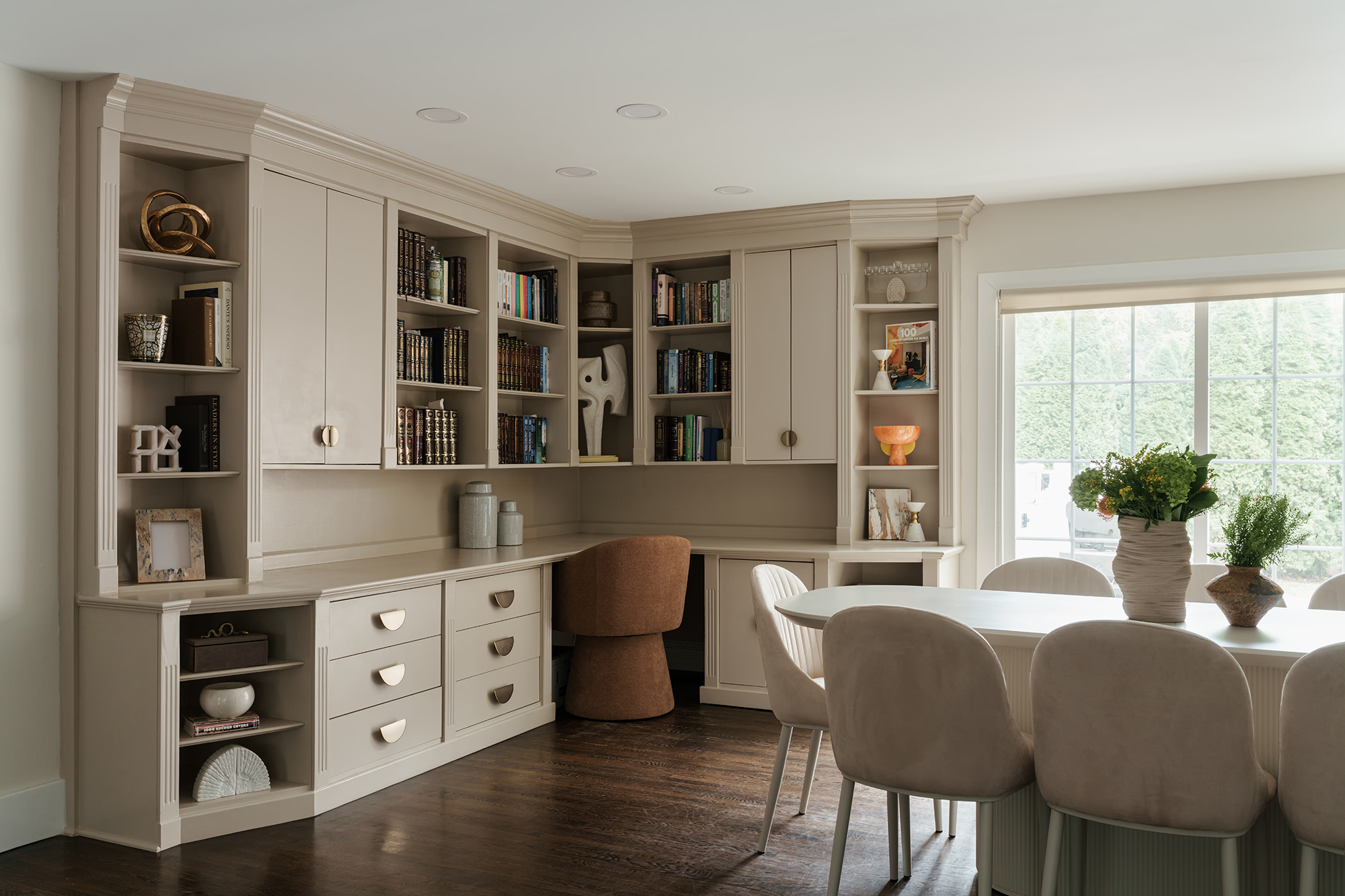
Thoughtful Layout Reimagination: Even within co-op constraints, we explore creative solutions for optimizing flow and natural light, transforming often compartmentalized NYC apartments into open, elegant spaces. This might involve strategic wall removals (with structural approval), cleverly designed built-ins, or innovative storage solutions.
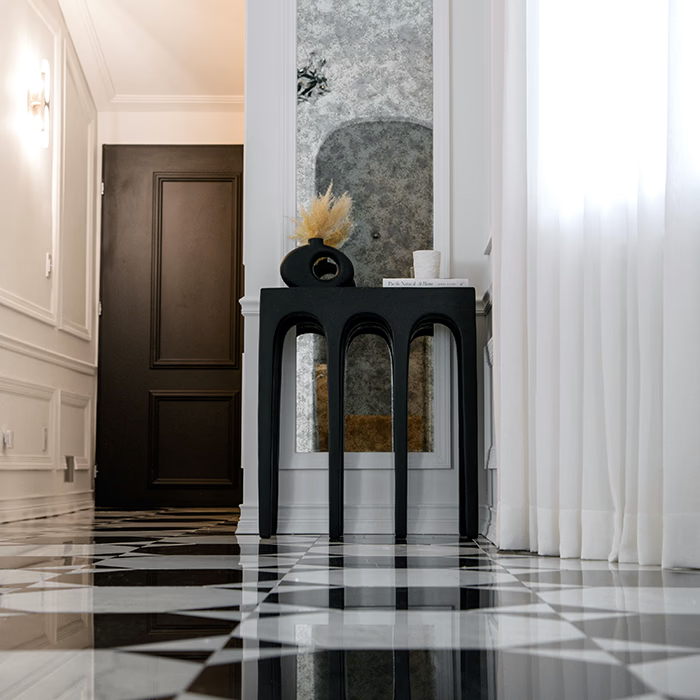
Curated Material Selections: From herringbone parquet floors reminiscent of Haussmannian apartments to bespoke cabinetry with subtle detailing, our material choices evoke classic Parisian charm while standing up to the demands of modern living. We prioritize durability, timelessness, and eco-conscious options where possible.
Harmonizing Old and New: Many NYC co-ops boast beautiful pre-war details. We excel at respecting and enhancing these original elements (plaster moldings, high ceilings, large windows) while introducing contemporary fixtures, smart home technology, and refined finishes that elevate the entire space.
Functional Beauty: Our designs blend aesthetics with practicality. We ensure that every custom piece, every lighting scheme, and every furniture arrangement not only looks exquisite but also enhances daily life, creating a home that is both elegant and profoundly comfortable.
Conclusion
Embarking on an NYC co-op renovation is a journey that requires careful navigation of bureaucratic layers, but it is ultimately an opportunity to craft a truly bespoke living environment. By thoroughly understanding the alteration agreement, diligently pursuing co-op board approvals, securing all necessary permits, and setting realistic timelines, homeowners can transform their apartments into refined sanctuaries. With a partner like LSB Interior, this complex process becomes a guided exploration of possibility, culminating in a home that perfectly balances the timeless elegance of Parisian design with the practical comforts of modern New York City living. Your elevated residential interior awaits, thoughtfully curated and impeccably executed.
FAQ
How long does the entire co-op renovation process typically take in NYC?
The entire process, from initial design to final completion, can range significantly based on the scope of work. For a significant renovation involving structural changes, expect 12 to 24 months, with 2-6 months for design, 2-6 months for approvals and permits, and 3-12+ months for construction. Cosmetic updates may take less time, but board and permit review periods are often unavoidable.
Can I start demolition once my co-op board approves my alteration agreement?
No. Co-op board approval of the alteration agreement is a critical step, but it typically does not grant permission to begin physical work. You must also secure all necessary permits from the NYC Department of Buildings (DOB) and, if applicable, complete any required asbestos inspections and abatement before any demolition or construction can legally commence.
What happens if I make renovations without getting proper permits or board approval?
Renovating without proper permits or co-op board approval can lead to severe consequences. The co-op board can issue a stop-work order, impose hefty fines, and require you to restore the apartment to its original condition at your own expense. The DOB can also issue stop-work orders, violations, and fines, and such unpermitted work can complicate or prevent the future sale of your apartment.
Do I need an architect for a minor co-op renovation, such as updating a bathroom?
It depends on the scope of the "minor" renovation. If your bathroom update involves moving plumbing fixtures, changing the layout, or altering any structural elements (e.g., walls), then yes, an architect or licensed professional engineer will almost certainly be required to draw up plans and secure DOB permits. If it's purely cosmetic (e.g., new tiles, vanity in the same place, paint), an architect might not be legally mandated, but the co-op board may still require plans for their review process.
How can LSB Interior help with the complex co-op renovation process in NYC?
LSB Interior streamlines the co-op renovation process by providing comprehensive design services that are inherently aligned with NYC's regulatory environment. We create detailed, sophisticated designs, assist in preparing the necessary architectural plans for board and DOB submissions (collaborating with your architect), and act as your advocate to ensure your vision is realized within the co-op's guidelines. Our expertise in luxury design and meticulous planning helps to anticipate and mitigate common challenges, ensuring a smooth and elegant transformation of your home.
References
New York City Department of Buildings (DOB) - Permits & Inspections: This official source provides detailed information on all types of building permits required in NYC, including applications, forms, and inspection guidelines. https://www.nyc.gov/site/buildings/
New York State Department of Labor - Asbestos Information: Provides crucial information regarding asbestos regulations, certification for abatement professionals, and safe handling practices relevant to renovations in older buildings. https://dol.ny.gov/asbestos-control-bureau
As a first-time homeowner, I was overwhelmed with all the decisions to make, until I started working with Laura. She brought clarity, style, and warmth to every room. I actually enjoyed the process, and now my home truly reflects me.
— Johnny
Timeless Design, Modern Functionality
Laura has an impeccable eye for detail. She curated pieces that elevated our space without making it feel too 'designed.' Her ability to mix textures, tones, and layout was exactly what we needed for our Upper East Side apartment. Discreet, professional, and endlessly talented
— Salley
From Outdated to Outstanding
She has a unique ability to merge function with beauty, and she makes the entire design process feel personal and fun. We couldn’t imagine working with anyone else.
— Stephanie
Breathtaking Transformation Inside and Out
She brought a clear vision, a calm presence, and an incredible sense of style. Our home now feels completely transformed. She has an incredible eye for detail!
— Cathy
Design That Feels Like Home
Laura translated every Pinterest pin and half-formed idea into a home that feels both elevated and completely ‘us’. She handled vendors, deliveries, and last-minute surprises with zero drama—the brownstone was ready for move-in exactly when she promised..
— Emily R.
Subscribe to our newsletter
Thank you! Your submission has been received!
Oops! Something went wrong while submitting the form.












.svg)