


Entryway Design in NYC: Storage, Floors, and First-Impression Styling
Last Updated:
August 17, 2026
In the fast-paced landscape of New York City, the entryway serves as more than just a threshold; it is the vital transition point between the urban hustle and the sanctuary of the home. At LSB Interior, we believe that the first few steps into a residence should evoke a sense of relief and refinement.
This guide explores the nuances of NYC entryway design, focusing on how homeowners can harmonize Parisian elegance with modern livability. By prioritizing intelligent storage solutions, resilient yet beautiful flooring, and layered lighting, you can transform a cramped apartment foyer or a grand brownstone vestibule into a polished arrival that reflects your personal style while meeting the demands of metropolitan life.
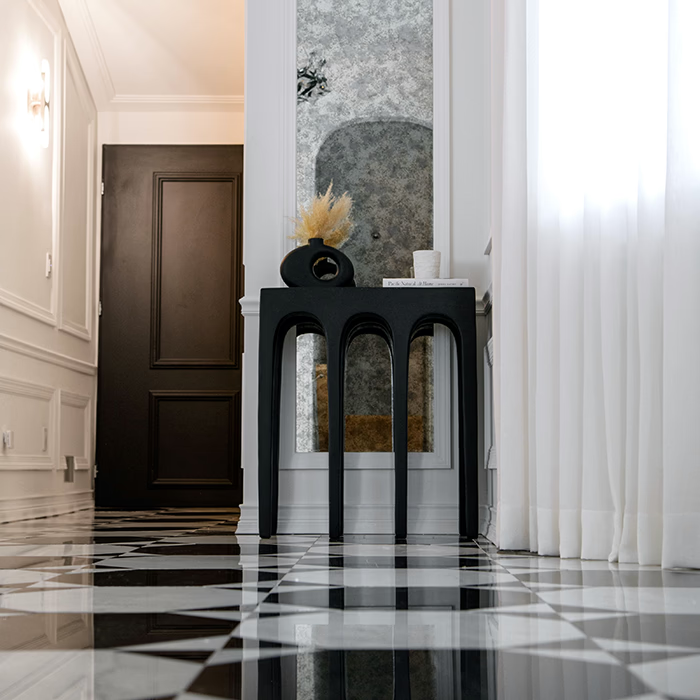


The entryway is the architectural handshake of your home. In New York City, where square footage is at a premium and the exterior environment is notoriously harsh, this space must perform multiple roles simultaneously. It is a mudroom, a gallery, a storage hub, and a sensory transition. Achieving a "polished arrival" requires a strategic approach that blends the effortless chic of a Parisian pied-à-terre with the rugged functionality required for modern living in NYC.
Designing an entryway in NYC is an exercise in intentionality. The goal is to create a "decompression zone." When you cross the threshold, the visual noise of the city should fall away. This is achieved through a curated color palette, tactile materials, and a layout that immediately directs the "stuff" of daily life (keys, coats, bags) into designated, concealed spaces. Parisian elegance often relies on a mix of classical proportions and modern silhouettes; applying this to an entryway means choosing pieces that feel architectural and permanent rather than transitory.
The primary challenge of the entryway storage apartment dwellers face is the lack of a traditional mudroom. Without a separate room for gear, the foyer must work twice as hard.
The entryway flooring in a New York City home must be a workhorse. It faces the remnants of salted sidewalks, rainwater, and heavy foot traffic. However, functionality does not have to come at the expense of beauty.
See our Brooklyn Brownstone entryway transformation.
Entryways, especially in pre-war apartments, often lack natural light. To create warmth and depth, use layered lighting for a windowless entryway.
The difference between a functional hallway and a polished arrival lies in the final 10% of styling.
In New York City, your entryway is the first impression your home makes on you and your guests. By focusing on smart entryway storage apartment solutions that maximize space, selecting entryway flooring that bridges the gap between durability and elegance, and implementing a layered lighting scheme, you create a space that is as functional as it is beautiful. LSB Interior specializes in these thoughtful details, ensuring that every arrival feels like a return to a sanctuary of Parisian-inspired elegance and modern livability.
You can define an "entry zone" by using a different flooring material (like a stone inlay), placing a slim console table behind the sofa to act as a barrier, or using a large area rug to anchor the space. Learn more about LSB Interior's full-service interior design approach.
Honed natural stone or high-quality porcelain tile are the most durable options. If you prefer wood, ensure it is a hardwood with a high-durability finish and use a heavy-duty rug at the door to catch salt and moisture.
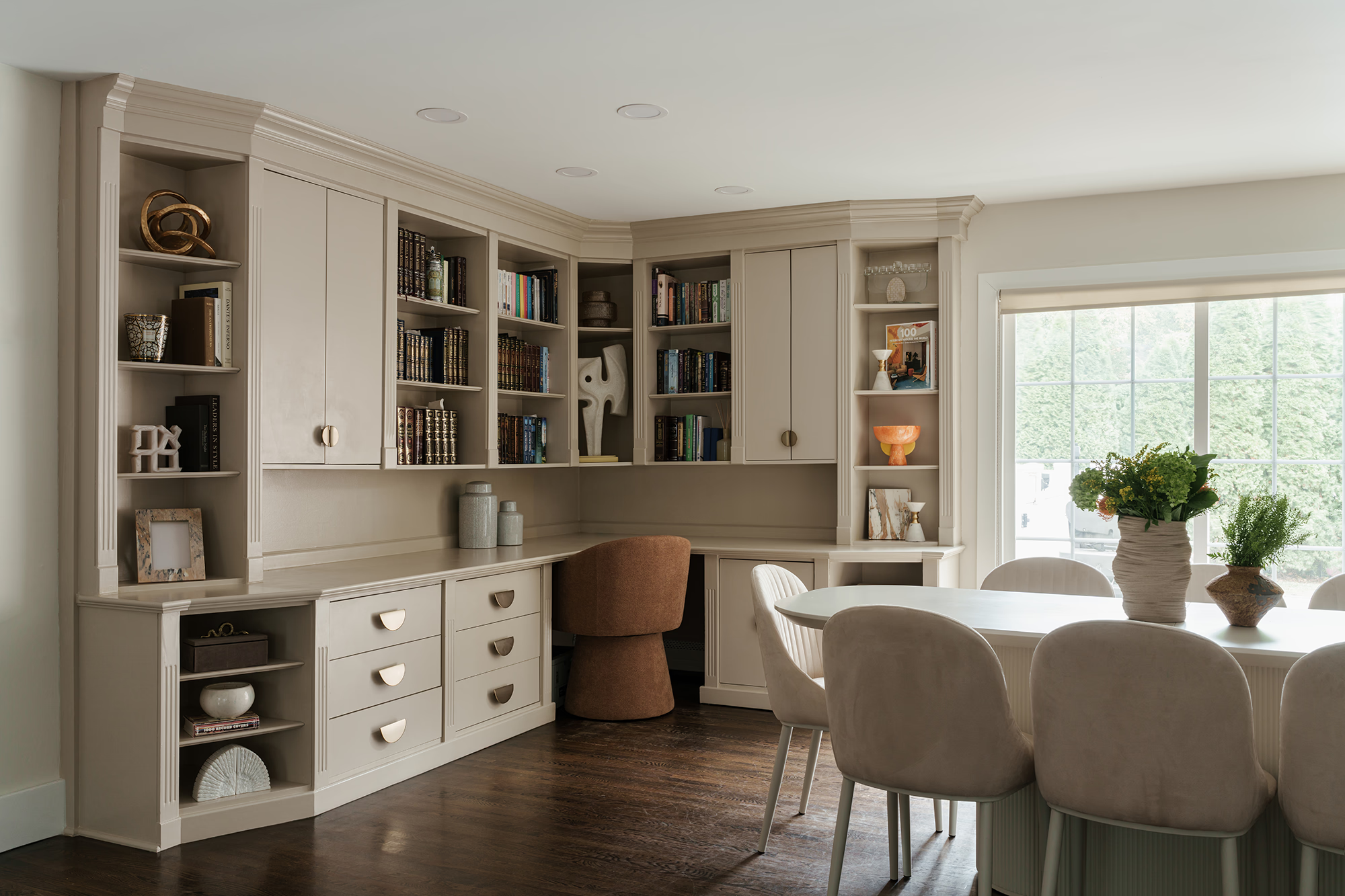
Think vertically. Install high shelves for items used less frequently, use wall-mounted hooks for daily coats, and look for "shallow depth" cabinetry that provides storage without taking up too much floor space.
Yes, but choose wisely. A low-profile, high-durability rug (like sisal, seagrass, or a performance indoor/outdoor rug) is best for catching dirt while still looking sophisticated.
Layered lighting is key. Use a bright ceiling fixture for general illumination, but add sconces or a table lamp for a warmer, more inviting atmosphere that compensates for the lack of natural light.
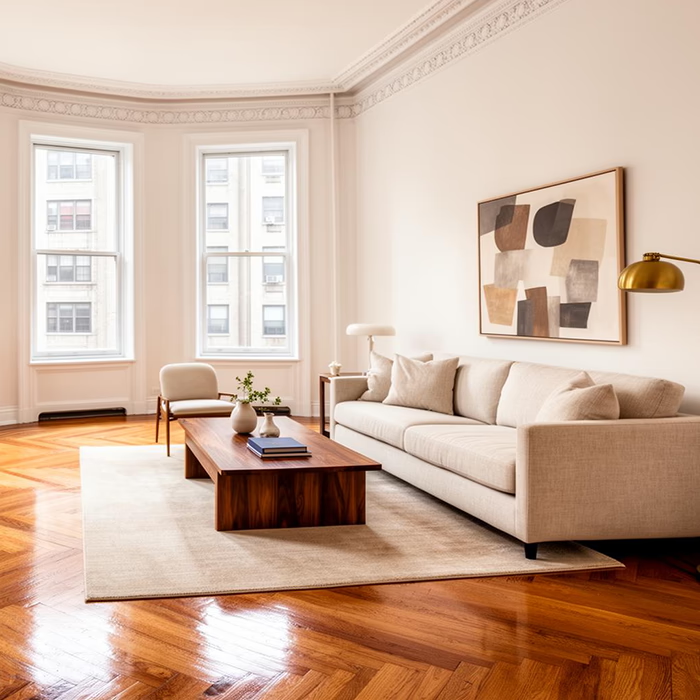
Mix classical elements—like a gilt mirror, marble surfaces, or herringbone floors—with clean-lined modern furniture. Focus on a neutral palette with rich textures and avoid over-cluttering the space.
Custom cabinetry with ventilated doors is the best solution for shoes. For umbrellas, a sculptural ceramic or metal stand adds a decorative element while keeping the floor dry.






.svg)